Air India Crash Probe Points to Mid-Air Fuel Switch Flaw

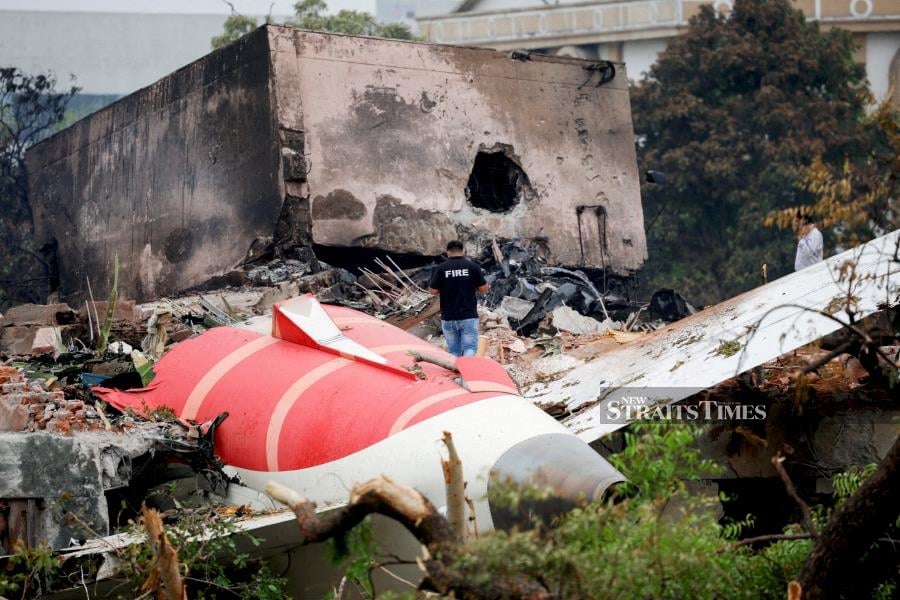
NEW DELHI – A Boeing 787 Dreamliner bound for London crashed shortly after takeoff from Ahmedabad on June 12, in what has become the deadliest aviation accident in over a decade. A report released Saturday by India’s Aircraft Accident Investigation Bureau (AAIB) suggests the crash may have been caused by the fuel cutoff switches being flipped mid-air, though how that occurred remains unclear.
The preliminary findings, which place aircraft maker Boeing and engine supplier GE Aerospace at direct blame, now raise serious concerns for Air India, which is undergoing a major revamp under the Tata Group’s leadership.
According to the AAIB report, the aircraft lost engine thrust moments after takeoff, triggering the deployment of a backup energy source—a ram air turbine—captured on CCTV footage. Voice recordings from the cockpit revealed a chilling exchange between the two pilots, with one asking, “Why did you cut off the fuel?” The other replied that he had not.
The report did not specify which pilot made the remarks. The captain, 56-year-old Sumeet Sabharwal, was a veteran with over 15,600 flight hours, while the co-pilot, 32-year-old Clive Kunder, had around 3,400 hours of experience.
Investigators found both fuel switches had shifted from “run” to “cutoff” within a second of each other, just after takeoff. Aviation experts noted this sequence matches the time needed to flip them manually—something rarely done unless an engine fire or emergency occurs. However, no such emergency was reported, and both switches were later discovered in the “run” position at the crash site, hinting at a possible attempt to restart the engines.
“Pilots would never normally turn those off during climb,” said U.S. aviation expert John Nance, while Anthony Brickhouse, another safety expert, questioned, “If a pilot moved them, why?”
Air India Crash Report Raises Questions Over Fuel Switches, Not Boeing or GE
The AAIB said there was evidence of both engines relighting before the aircraft, flying at low altitude, eventually crashed, killing 241 of the 242 people onboard, along with 19 people on the ground.
Air India issued a brief statement acknowledging the report and confirming cooperation with authorities. The U.S. National Transportation Safety Board (NTSB) and Federal Aviation Administration (FAA) are also participating in the investigation, with the FAA promising to follow the evidence and act on any findings.
Boeing stated it continues to support both the investigation and Air India, while GE Aerospace has not yet commented.
This incident adds to the growing scrutiny of Air India’s operations. Just weeks ago, the European Union Aviation Safety Agency announced a probe into Air India Express over allegations of falsifying maintenance records and delaying engine part replacements. India’s aviation regulator has also reprimanded the airline for flying aircraft with overdue emergency equipment checks and violating pilot duty-hour regulations.
India, aiming to establish itself as a global aviation hub akin to Dubai, now faces renewed pressure to ensure flight safety as the country’s air travel market expands rapidly.
The final crash report is expected within a year, as per international standards.
Mutib Khalid is a skilled content writer and digital marketer with a knack for crafting compelling narratives and optimizing digital strategies. Excel in creating engaging content that drives results and enhances online presence. Passionate about blending creativity with data-driven approaches, Mutib Khalid helps brands connect with their audience and achieve their goals.