Germany’s $175B Defense Tech Boom

Germany Bets Big on AI-Powered Defense Startups Amid Historic Military Shift
Berlin — Germany is undergoing a dramatic transformation in defense strategy, channeling billions into cutting-edge military technology and AI-driven startups as it prepares to triple its defense budget to €162 billion ($175 billion) annually by 2029.
Munich-based startup Helsing, a producer of AI-based battlefield systems and strike drones, recently doubled its valuation to $12 billion, symbolizing Europe’s newfound urgency in militarization. “Europe is finally coming to terms with defense,” said Helsing co-founder Torsten Scherf, likening the current innovation wave to the Manhattan Project.
Germany, once hesitant due to its Nazi past and pacifist postwar ethos, is now leading Europe’s shift toward defense autonomy. Chancellor Friedrich Merz’s government is slashing red tape to connect military leadership directly with startups and fast-track defense procurement.
“Money is no longer an excuse – it’s there now,” said ARX Robotics CEO Marc Wietfeld, recounting a meeting with Defense Minister Boris Pistorius.
A new draft law approved Wednesday will ease financial entry barriers for startups by allowing advance payments and EU-only tenders, part of Berlin’s strategy to prioritize European over U.S. defense companies.
Germany Targets Defense Innovation as Strategic Pivot
Germany’s pivot is driven by growing uncertainty over U.S. military support, especially following Donald Trump’s renewed questioning of NATO commitments. Berlin now aims to hit 3.5% of GDP in defense spending by 2029 – one of the fastest timelines in Europe.
Unlike the U.S., where defense giants like Lockheed Martin and RTX dominate and startups like Palantir and Anduril flourish through direct Pentagon contracts, Europe’s defense market remains fragmented. Each nation maintains separate procurement standards, stifling scalability.
Yet according to Aviation Week, Europe’s top 19 military spenders – including Turkey and Ukraine – are projected to outpace U.S. military procurement spending this year (€180.1B vs. €175.6), even if overall U.S. defense spending remains higher.
Startups Take Center Stage
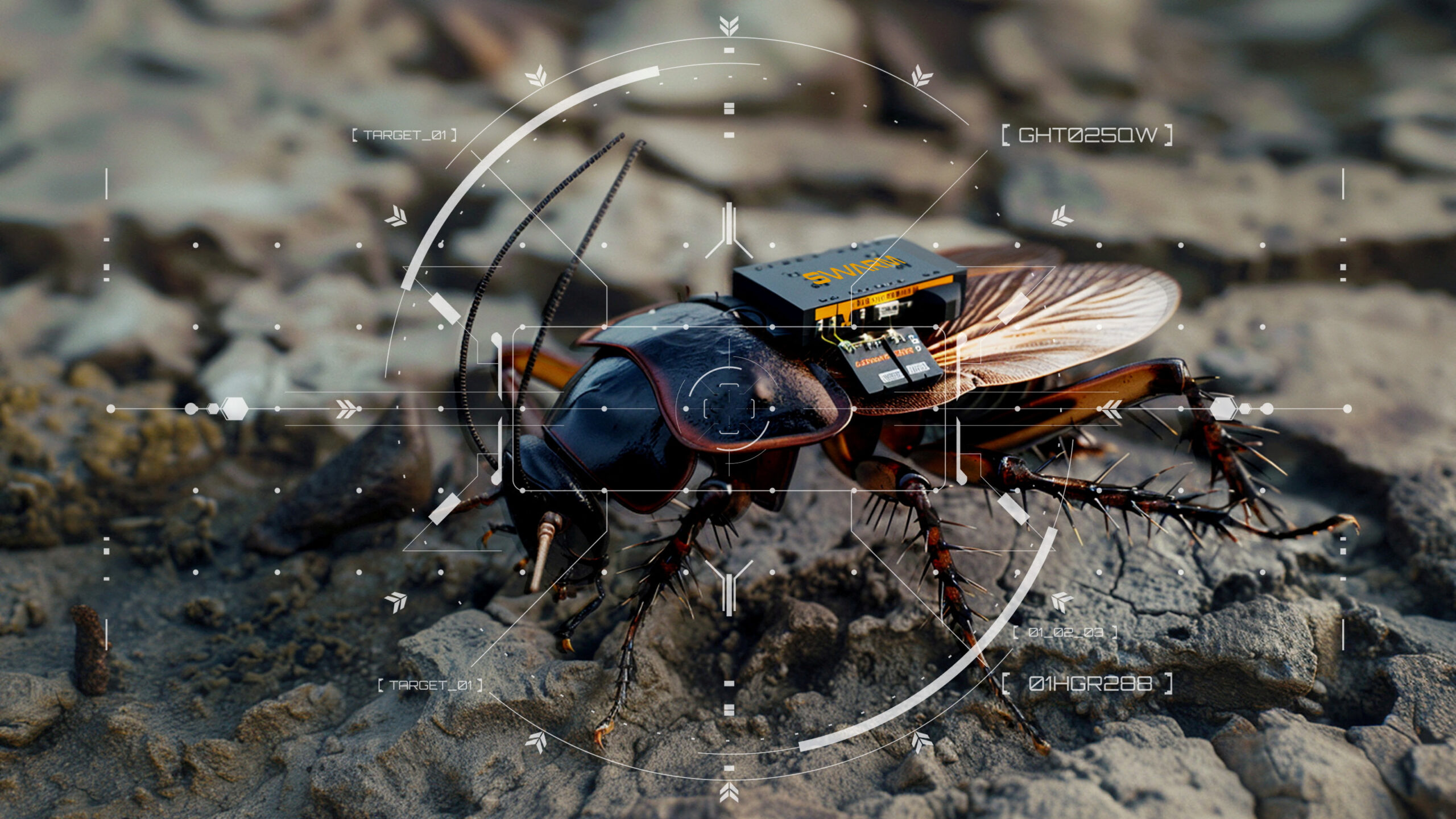
Startups like Swarm Biotactics are developing tech that seems straight out of science fiction — such as spy cockroaches fitted with neural stimulation, cameras, and remote controls for battlefield surveillance. “Our bio-robots can be steered individually or operate autonomously in swarms,” said CEO Stefan Wilhelm.
Other German companies are building autonomous AI tanks, underwater drones, and other advanced tools, many of which are now being considered alongside traditional defense contractors like Rheinmetall and Hensoldt.
Annette Lehnigk-Emden, head of the federal procurement agency, highlighted drones and battlefield AI as pivotal to future warfare:
“These changes are as revolutionary as the invention of the tank, airplane, or machine gun.”
From Pacifist Past to Tech-Powered Future
Germany’s deep-rooted aversion to military aggression kept its defense industry modest for decades. But since Russia’s invasion of Ukraine, both public opinion and political will have shifted.
Sven Weizenegger, head of the Cyber Innovation Hub, said the stigma around defense work is vanishing. “There’s a whole new openness. I now get 20-30 LinkedIn messages a day from people wanting to work in defense tech,” he noted.
Historically, German scientists like Wernher von Braun helped pioneer technologies later adopted worldwide. Now, a new generation of German technologists and investors is eager to reassert global leadership — this time under a democratic mandate.
“A strong defense industry means a strong economy and innovation on steroids,” said Markus Federle of Tholus Capital.
As Europe rethinks its role on the global stage, Germany appears poised not just to arm itself, but to become a major force in the future of military innovation.
Mutib Khalid is a skilled content writer and digital marketer with a knack for crafting compelling narratives and optimizing digital strategies. Excel in creating engaging content that drives results and enhances online presence. Passionate about blending creativity with data-driven approaches, Mutib Khalid helps brands connect with their audience and achieve their goals.