Kuwaiti Dinar Rises to 922 PKR Boosts Remittances

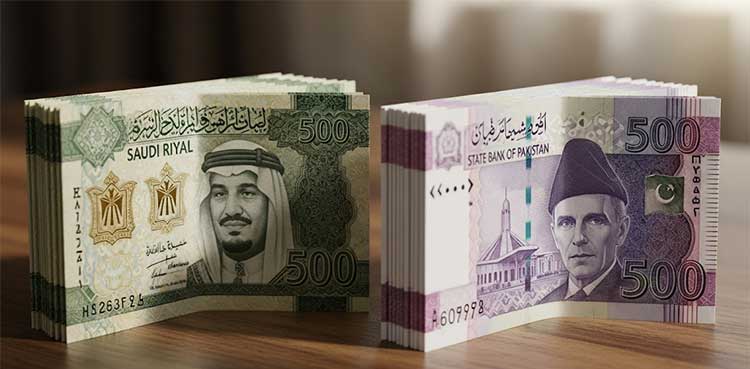
Kuwaiti Dinar Strengthens Against Pakistani Rupee, Boosting Remittances
The Kuwaiti Dinar has edged higher against the Pakistani Rupee, trading at 922.25 PKR, up slightly from 921.68 PKR on August 23. This follows a volatile few months, with the Dinar moving from 919.67 PKR on June 10 to 926.79 PKR earlier this week. Analysts say the Dinar’s steady rise reflects Kuwait’s economic stability, underpinned by its oil wealth, while Pakistan continues to grapple with fiscal and inflationary pressures.
Why the Dinar Is Gaining Ground
Kuwait’s currency is among the world’s strongest, supported by a robust economic framework and a partial peg to a basket of currencies, primarily the US Dollar. The Central Bank of Kuwait manages the exchange rate, backed by foreign reserves estimated at $42 billion in 2025. High global oil prices, averaging $84 per barrel this August amid ongoing geopolitical tensions, also strengthen the Dinar.
In contrast, the Pakistani Rupee follows a managed float system, influenced by market forces such as inflation, trade deficits, and foreign exchange flows. Pakistan’s inflation reached 9.2% in August 2025, while foreign reserves remain under pressure at $14.7 billion. A trade deficit of $25 billion in 2024-25 and reliance on imported energy further weigh on the Rupee. Since November 26, 2024, the Kuwaiti Dinar has appreciated by 2.3% against the PKR, reflecting these divergent economic realities.
Impact on Pakistani Expatriates and Trade
The rising Dinar carries both benefits and challenges for Pakistanis living in Kuwait, estimated at between 200,000 and 250,000. Their remittances, totaling around $1.9 billion annually, are worth more in Pakistan due to the stronger Dinar. For example, 1,000 KWD that converted to 901,330 PKR last November now equals 922,250 PKR, giving families additional spending power for essentials like education, healthcare, and housing.
However, Pakistani businesses importing Kuwaiti goods may face higher costs, especially for petroleum products, potentially driving domestic inflation. For expatriates, while remittances go further back home, their Dinar now buys less for PKR-priced goods or investments within Kuwait.
From a trade perspective, a weaker Rupee could improve the competitiveness of Pakistani exports such as textiles and rice, though supply chain inefficiencies and global competition limit growth. Meanwhile, higher import costs from Kuwait could further widen Pakistan’s trade deficit.
Global and Regional Factors
Kuwait’s economy, with a GDP of $145 billion in 2025 and low public debt of 10% of GDP, remains stable thanks to oil revenues and a fiscal surplus. Pakistan, with a $350 billion economy, faces energy shortages, political uncertainty, and reliance on external financing. The ongoing $7 billion IMF Extended Fund Facility aims to stabilize Pakistan, but reforms such as subsidy cuts and tax hikes may constrain domestic consumption and put pressure on the PKR.
Geopolitical tensions in the Middle East keep oil prices high, indirectly supporting the Dinar. Pakistan’s reliance on Gulf remittances makes it vulnerable to currency fluctuations, while global trends, including US monetary policy and commodity prices, continue to shape the KWD/PKR exchange rate.
Mutib Khalid is a skilled content writer and digital marketer with a knack for crafting compelling narratives and optimizing digital strategies. Excel in creating engaging content that drives results and enhances online presence. Passionate about blending creativity with data-driven approaches, Mutib Khalid helps brands connect with their audience and achieve their goals.