Pakistan Floods Kill 800 Millions Displaced

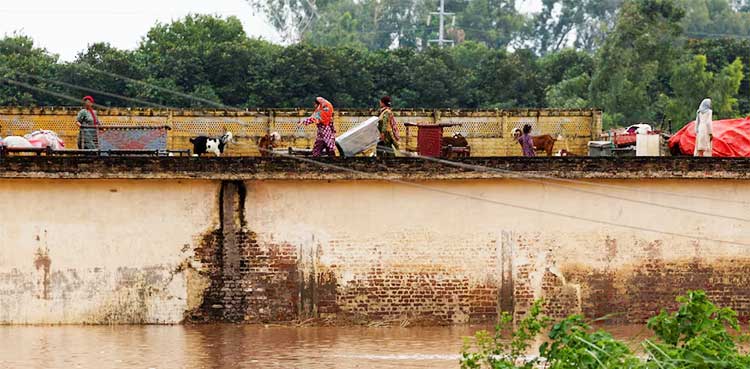
Pakistan Grapples With Deadly Floods: Over 800 Dead, Millions Affected
LAHORE – September 2025: Pakistan is reeling from one of its worst flood disasters in recent history. Relentless monsoon rains, flash floods, and glacial lake outbursts have unleashed widespread devastation, killing more than 800 people and displacing over 1.2 million across Punjab, Sindh, Khyber Pakhtunkhwa, Balochistan, and Gilgit-Baltistan.
Entire villages have been washed away, farmland buried under sand, and livestock wiped out. The National Disaster Management Authority (NDMA) warns that losses could soar past $50 billion, eclipsing even the 2022 floods.
Punjab’s Worst Flood in Decades
In Punjab, entire communities have been swallowed by floodwaters. In Mouza Kak Shaal, residents are digging through sand in desperation after their homes, tractors, and cattle vanished under layers of silt. The PDMA reports more than 4,400 villages inundated, with millions displaced and crops worth billions destroyed.
The Indus River continues to swell, with medium to high flood levels recorded at Kotri, Guddu, and Sukkur barrages. Thousands of cusecs of water are rushing downstream, inundating towns, temples, and railway stations, while road links have been cut off across southern Punjab and Sindh.
Cross-Border Tensions
Authorities in Islamabad accuse India of worsening the crisis by releasing massive volumes of water into the Sutlej and Chenab rivers without coordination. Officials describe it as “water aggression,” with repeated alerts issued as new waves of floodwater cross into Pakistan, breaching dykes and swallowing entire villages in Bahawalnagar and Chishtian.
Humanitarian Crisis
Relief camps are struggling to cope. Women and children in makeshift shelters face shortages of medicine, food, and sanitation. Aid workers warn of rising health risks, including waterborne diseases and malnutrition. In Lahore’s outskirts, pregnant women endure dire conditions, with no access to proper medical care.
Electricity outages have compounded the suffering, though the Power Division says supply has been restored to over 1.4 million consumers. Food inflation is also biting hard, with vegetable prices skyrocketing in Punjab.
Government Response
Prime Minister Shehbaz Sharif has declared a Climate and Agriculture Emergency, while Chief Minister Maryam Nawaz Sharif has launched “Clinics on Boats” to provide medical aid in submerged regions. The government is also seeking relief in ongoing IMF talks, hoping to avoid a mini-budget amid the disaster.
The Pakistan Army has intensified rescue efforts, evacuating families by boat from flooded villages in Jhang, Chiniot, and Sindh’s riverine belts.
International Support
The United Nations has announced an additional $5 million in emergency relief, urging donors for more funding to meet Pakistan’s swelling humanitarian needs. UN Secretary-General Antonio Guterres expressed grief over the loss of lives, stressing solidarity with Pakistan.
The Bigger Picture
Experts say climate change is amplifying Pakistan’s vulnerability. With heavier monsoons, melting glaciers, and weak infrastructure, the country remains trapped in a cycle of recurring flood disasters. Calls are growing for investment in dams, drainage systems, and long-term climate resilience to avert future catastrophes.
For now, as floodwaters continue to rise, millions across Pakistan remain in urgent need of rescue, shelter, and hope.
Mutib Khalid is a skilled content writer and digital marketer with a knack for crafting compelling narratives and optimizing digital strategies. Excel in creating engaging content that drives results and enhances online presence. Passionate about blending creativity with data-driven approaches, Mutib Khalid helps brands connect with their audience and achieve their goals.