Chikungunya Outbreak Puts Billions at Risk Worldwide

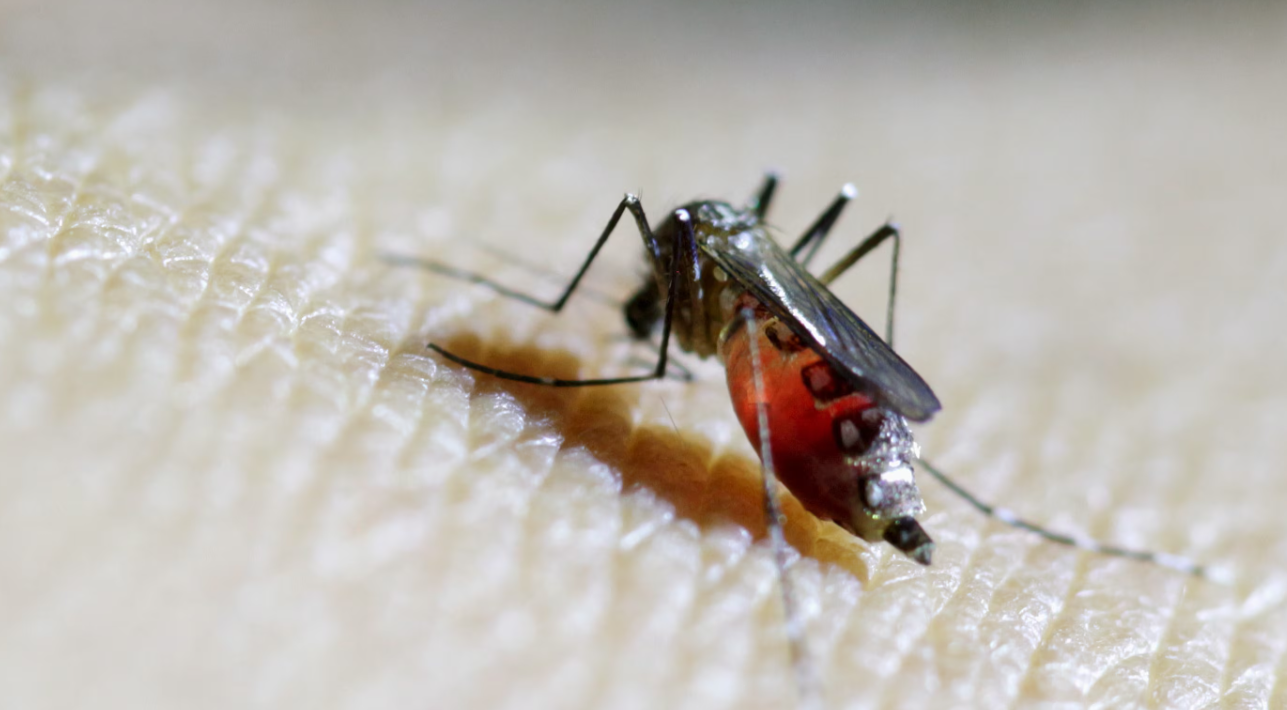
Chikungunya Poses Global Threat as Cases Surge Across Continents
GENEVA – The World Health Organization (WHO) has sounded the alarm over a rapid global surge in chikungunya, a mosquito-borne virus, which now threatens an estimated 5.6 billion people across 119 countries.
Speaking to reporters in Geneva, WHO medical officer Diana Rojas Alvarez warned that the world is seeing a dangerous repeat of the 2004–2005 epidemic, which infected nearly 500,000 people — initially in small island nations before spreading globally.
The ongoing outbreak began in early 2025 in familiar hotspots such as La Reunion, Mayotte, and Mauritius. In La Reunion alone, one-third of the population is estimated to have already been infected, according to Rojas Alvarez.
The virus has since expanded its reach to mainland Africa, including Madagascar, Somalia, and Kenya, and has exhibited epidemic-level spread in parts of Southeast Asia, including India.
Rising Threat in Europe
Of particular concern is the increase in imported cases and signs of local transmission within Europe. France has reported around 800 imported chikungunya cases since May 1, along with twelve instances of local transmission, mainly in southern regions. This indicates individuals were infected by local mosquito populations despite having no travel history to endemic zones. Italy also recorded a local case last week.
What Is Chikungunya?
Chikungunya is transmitted primarily by Aedes mosquitoes — especially the aggressive daytime-biting Aedes albopictus, also known as the “tiger mosquito.” It shares transmission pathways with other viruses like dengue and Zika.
There is currently no specific treatment for chikungunya. It can cause high fever, severe joint pain, and long-term disability in some cases. Rapid and large outbreaks are common due to the virus’s ability to spread swiftly in warm, humid climates.
Prevention Is Critical
With no cure available, the WHO emphasizes preventive measures. Individuals are urged to use insect repellents, wear long-sleeved clothing, and limit exposure to mosquito-prone areas — especially during the day when these mosquitoes are most active.
As the global health community braces for potential expansion, authorities stress early action to prevent the virus from gaining a stronger foothold in non-endemic regions.
Mutib Khalid is a skilled content writer and digital marketer with a knack for crafting compelling narratives and optimizing digital strategies. Excel in creating engaging content that drives results and enhances online presence. Passionate about blending creativity with data-driven approaches, Mutib Khalid helps brands connect with their audience and achieve their goals.