Naqvi’s Big Interior Reforms

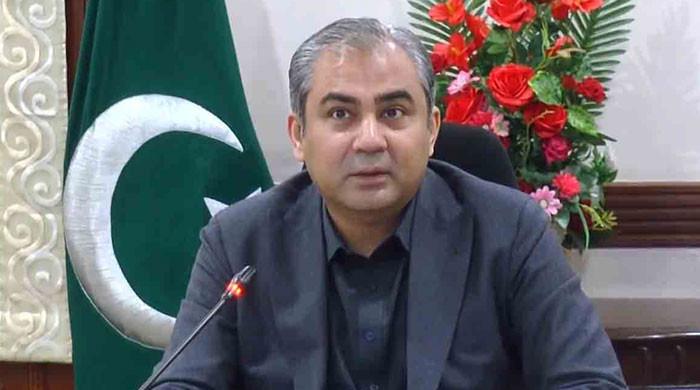
In a casual discussion with journalists, Mohsin Naqvi discussed Pakistan’s openness in its foreign policy and highlighted the country’s moral stance on regional matters.
Addressing domestic affairs, Mohsin Naqvi said that Iran deported over 300,000 Afghan nationals within two weeks, while Pakistan sent illegal residents back.
Mohsin Naqvi confirmed that Afghan PoR (Proof of Registration) cardholders will stop receiving extensions and that deported individuals will not be able to re-enter, having been blacklisted.
To revamp the Interior Ministry, Mohsin Naqvi announced that the government plans to appoint a serving or retired army officer as Secretary of Interior to oversee the civil armed forces.
Additionally, in progressive initiatives for Interior Ministry reforms, the government also aims to establish an Internal Accountability Bureau within the FIA to enhance transparency and self-regulation.
The Frontier Corps (FC) will maintain its conventional security structure, but recruitment will now have candidates from provinces beyond Khyber Pakhtunkhwa, endorsing national inclusivity.
Mohsin Naqvi meets Iranian president, conveys PM Shehbaz’s greetings
In response to reports of 40,000 missing Pakistani pilgrims in Iraq, Mohsin Naqvi rejected the claims as overstated and exaggerated. He mentioned that the Secretary of the Interior and DG FIA will visit Iraq to investigate and resolve the matter.
On environmental concerns, Mohsin Naqvi emphasised the escalating threat of pollution in Islamabad due to insufficient green areas.
Immediate actions are underway to expand green zones, including the acquisition of land from police stations located on green belts.
A massive tree plantation campaign has been launched to plant 4 million trees in 60 days, aiming to restore the Margalla Hills and reduce pollution.
These initiatives reflect a broader strategy of Interior Ministry reforms in Pakistan, concentrating on institutional accountability, regional stability, and environmental sustainability.
Mutib Khalid is a skilled content writer and digital marketer with a knack for crafting compelling narratives and optimizing digital strategies. Excel in creating engaging content that drives results and enhances online presence. Passionate about blending creativity with data-driven approaches, Mutib Khalid helps brands connect with their audience and achieve their goals.