Pakistan EV Loan Scheme Launched

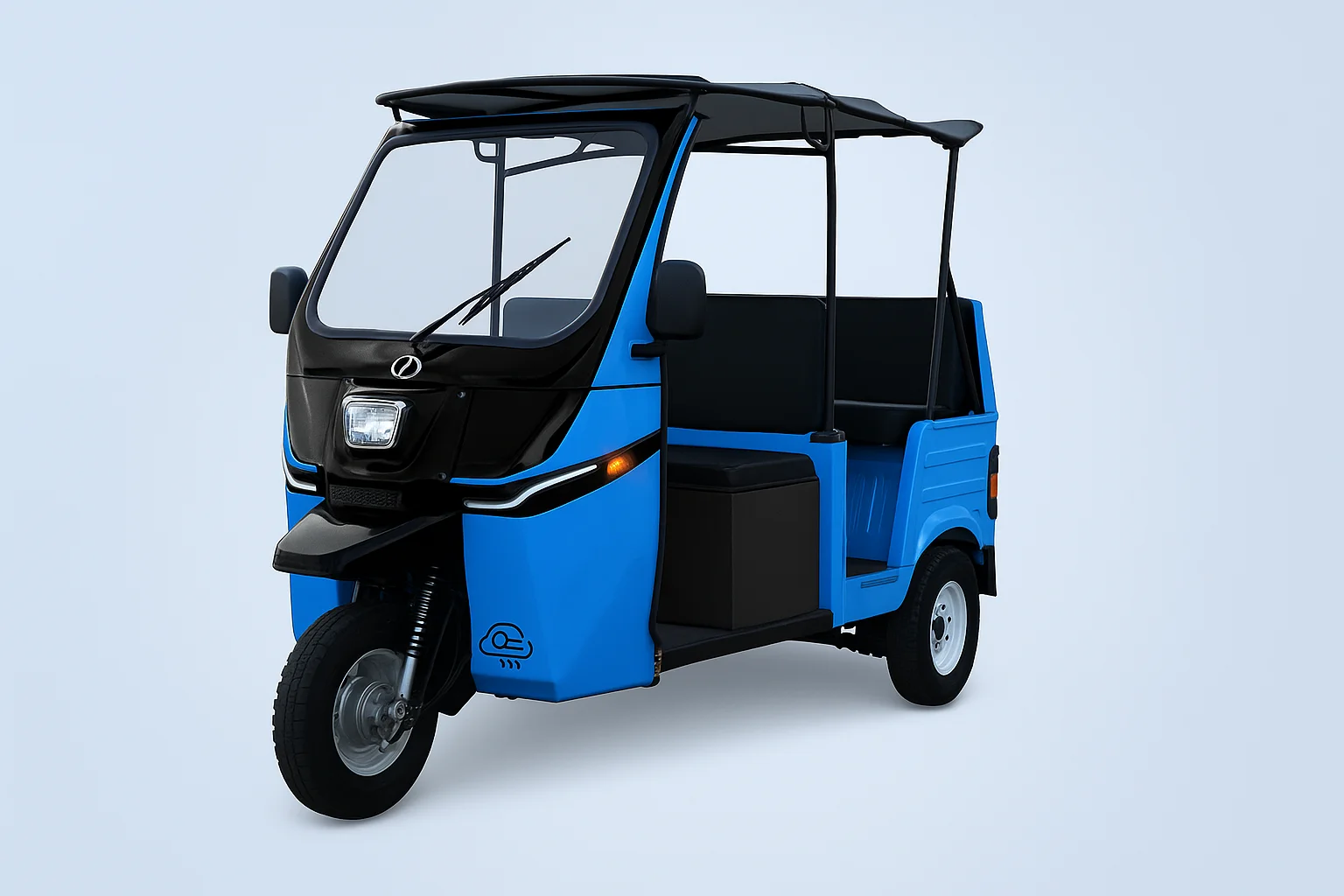
Pakistan Launches Interest-Free Loan Scheme for Electric Vehicles
ISLAMABAD – The government has rolled out a new initiative to help students, daily wage earners, delivery riders, and small business owners purchase electric bikes, rickshaws, and loaders through interest-free loans and subsidies.
Under the scheme, applicants will be able to buy vehicles with easy monthly installments spread over two to three years. The program is part of the National Electric Vehicle (NEV) Policy 2025–30, which targets 30% of new vehicle sales in Pakistan to be electric by 2030.
Registration & Balloting
Applications are open from September 1 to September 30, 2025. If the number of applicants exceeds the quota, a computerized lucky draw will be held on October 1, 2025.
Subsidies & Installments
Up to Rs50,000 subsidy for bikes
Up to Rs200,000 subsidy for rickshaws
Repayment in zero-interest installments over 2–3 years
For example, a Jolta JE-70L priced at Rs 237,900 will cost just Rs 6,263 per month for 24 months after subsidy. Similarly, the Sazgar Shuttle rickshaw priced at Rs1.16 million will cost Rs21,333 per month after subsidy.
Quotas & Eligibility
The scheme reserves 25% of vehicles for women, 10% for delivery riders, and 10% for Balochistan applicants. Priority will be given to students and low-income workers.
Eligibility requirements include being a Pakistani citizen aged 18–65, holding a valid CNIC, and having a driving license or learner’s permit. Applicants must also have (or be willing to open) a bank account and show no history of loan defaults.
Application Process
Applicants can register at pave.gov.pk by submitting their CNIC, mobile number, required documents, and bank details. After verification by NADRA and partner banks, successful candidates will be notified via SMS or email. Vehicles will be handed over at authorized centers.
Benefits
Officials say the program will not only make electric vehicles affordable but also bring major savings on fuel costs, cut carbon emissions, and reduce urban air pollution. It is also expected to empower women and students, improve access to education and jobs, and create opportunities in the country’s growing EV industry.
Mutib Khalid is a skilled content writer and digital marketer with a knack for crafting compelling narratives and optimizing digital strategies. Excel in creating engaging content that drives results and enhances online presence. Passionate about blending creativity with data-driven approaches, Mutib Khalid helps brands connect with their audience and achieve their goals.