Pakistan Warns of TTP Afghan Terror Threats

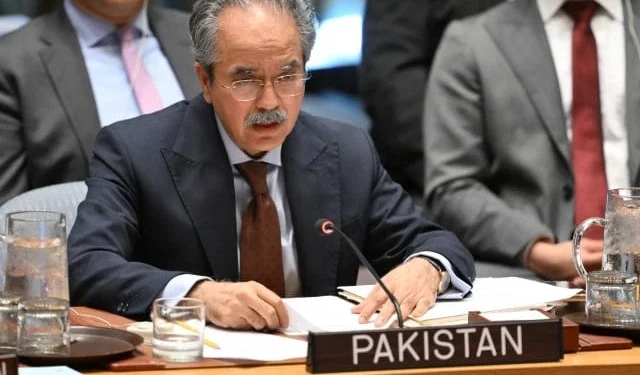
Pakistan Warns of Rising Terror Threats from Afghan Soil
Pakistan’s Permanent Representative to the United Nations, Ambassador Asim Iftikhar Ahmad, has raised the alarm over the growing threat posed by terrorist groups operating from Afghanistan. Speaking during a UN debate on the situation in Afghanistan, he said the Tehrik-e-Taliban Pakistan (TTP), with around 6,000 fighters, is the largest UN-designated terrorist organization based in the country.
Ambassador Ahmad highlighted that Pakistan has repeatedly stopped infiltration attempts by the TTP and Balochistan Liberation Army (BLA) across the Afghan border. He added that many of these militants are armed with advanced military-grade weapons, often left behind by departing U.S. forces.
“These efforts come at a heavy price,” he said, pointing to the recent loss of 12 Pakistani soldiers in a single incident while defending the country’s borders. “This situation is intolerable.”
He further warned that terrorist groups such as ISIL-K/Da’esh, Al-Qaeda, TTP, BLA, and the Majeed Brigade operate from Afghan sanctuaries, with more than 60 camps used as bases for cross-border attacks and infiltration.
“Evidence shows these groups collaborate through joint training, illicit weapons trade, harboring terrorists, and coordinated attacks,” he said. “Their goal is to target civilians and law enforcement, and to sabotage infrastructure and development projects in Pakistan.”
Ambassador Ahmad also called for urgent action on a joint proposal by China and Pakistan to list the BLA and Majeed Brigade as terrorist organizations under the UN Security Council’s 1267 Sanctions Committee. Both groups are already designated as terrorists by the United States.
He emphasized Pakistan’s commitment to sustained engagement with Afghanistan, warning that the Taliban sanctions regime must not be influenced by political considerations. He stressed the importance of carefully managed travel exemptions for Taliban officials to ensure meaningful dialogue.
Referring to the recent quadrilateral meeting in Dushanbe with China, Iran, and Russia, he said the countries agreed on “result-oriented engagement” with Afghanistan’s interim authorities.
“International engagement must have clear objectives, reciprocal actions, and a realistic roadmap guided by dialogue and diplomacy,” Ambassador Ahmad said. “Isolation and disengagement serve no one’s interest.”
Mutib Khalid is a skilled content writer and digital marketer with a knack for crafting compelling narratives and optimizing digital strategies. Excel in creating engaging content that drives results and enhances online presence. Passionate about blending creativity with data-driven approaches, Mutib Khalid helps brands connect with their audience and achieve their goals.