Sufi and Baul Singers Under Attack in Bangladesh

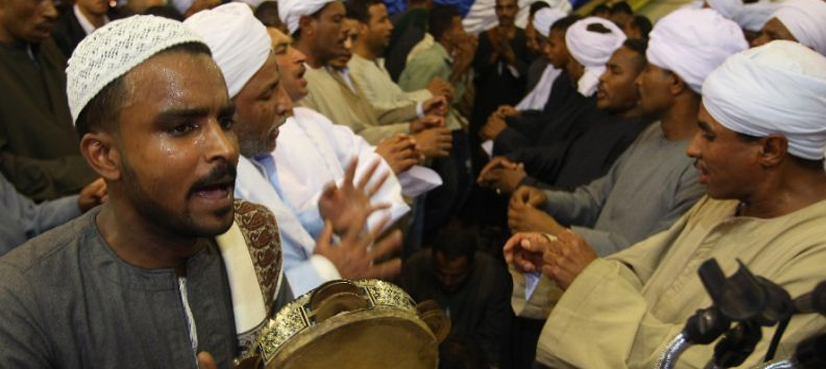
Sufi Singers and Bauls Face Growing Attacks in Bangladesh
DHAKA – Sufi singers and Baul folk artists in Bangladesh are facing rising threats and violence from hardline Islamist groups, especially since the removal of former Prime Minister Sheikh Hasina in August last year.
Sufism is a peaceful and spiritual branch of Islam that uses music and poetry to express love for God. It is very popular in Bangladesh. But some conservative Muslim groups call Sufism “wrong” and say its teachings go against the Koran.
Attacks on Shrines and Singers
Since Hasina’s departure, extremist groups have become more active. The government’s security forces are also under pressure.
According to official reports, at least 40 Sufi shrines have been attacked. Some independent sources say the number is much higher. Shrines have been vandalized or set on fire, and musical events have been canceled.
Musicians say things have worsened after August 5 last year. “We used to perform in 40 events per season. Now we do only 20,” said Jamal, a 50-year-old singer at a Dhaka shrine.
Baul singers, who travel from town to town singing about peace and love, are also in trouble. Many Islamist groups label them as heretics. Over 300 music events have been canceled in the last year due to pressure from radicals, said Sardar Hirak Raja from the Bangladesh Baul and Folk Artists Association.
Extremist Groups Behind Violence
A group called “Tauhidi Janata” has claimed responsibility for many attacks. They say music is banned in Islam. Another group, Hefazat-e-Islam, also opposes musical gatherings at shrines.
“They smoke cannabis and play music at shrines — this is not allowed in Islam,” said Hefazat leader Mawlana Mamunul Haque.
In one case, a shrine in Dinajpur was attacked because it hosted “inappropriate music.”
Government’s Weak Response
The interim government, led by Nobel Peace Prize winner Muhammad Yunus, has been criticized for not doing enough. Only 23 people have been arrested so far. The cultural minister, Mostofa Sarwar Farooki, said the violence was “low in number” and that the government would help restart canceled events.
But experts say these actions are not enough.
“For mystic singers, music is not just for fun. It spreads deep knowledge,” said Faisal Enayet, a fan of Sufi music.
One famous Sufi singer, Shariat Bayati, said he had to cancel his event in March due to threats. “The people who file complaints against us are stronger now,” he said.
Staying Peaceful Despite Attacks
Even though they face danger, many mystic singers remain peaceful.
“Bauls believe in love, patience, and humility,” said famous Baul singer Fakir Nahir Shah during a recent gathering in Kushtia, a city known for its culture.
“We follow the path of modesty for the rest of our lives,” he said.
Mutib Khalid is a skilled content writer and digital marketer with a knack for crafting compelling narratives and optimizing digital strategies. Excel in creating engaging content that drives results and enhances online presence. Passionate about blending creativity with data-driven approaches, Mutib Khalid helps brands connect with their audience and achieve their goals.