Russia Fines Web Searches Under New Censorship Law

Russia Tightens Online Censorship With New Law Punishing Web Searches
MOSCOW – Russia is preparing to roll out sweeping new restrictions on internet use this September, further tightening its control over online speech and access to information.
The legislation will impose fines on people who search for websites, books, music albums, or artworks that authorities classify as “extremist.” In Russia, the label has a wide definition, often used not only for terrorist groups but also against political opponents.
Even looking up information about late opposition leader Alexei Navalny, who has been branded “extremist,” could result in penalties of up to 5,000 rubles ($63).
For many in Moscow, the law is already changing daily habits. Artyom, a resident interviewed in a city park, said he worries about his future under the new rules. “I’m interested in the policies of our leaders and foreign governments,” he said. “But now I’ll have to be careful with every click.”
He admitted he would likely avoid websites from what the Kremlin calls “unfriendly countries” — a term used for Western nations — even though those are the sources he is most curious about.
Others share his concerns. “Just yesterday, I did some research freely, and tomorrow I could be found guilty,” said Sergei, a 33-year-old jewellery designer. Like many Russians who spoke to AFP, he declined to give his full name out of fear.
Rare Pushback
The law has drawn criticism even from within pro-government circles. Around 60 members of the State Duma, Russia’s lower house of parliament, voiced opposition. A Moscow history professor told AFP that “even young pro-government figures oppose this censorship.”
Experts also warn that the legislation undermines basic constitutional rights. “Reading cannot be punishable, yet searching online is now dangerous,” said a computer security specialist. “The government wants to make everyone afraid.”
Human rights campaigner Svetlana Gannushkina, herself labeled a “foreign agent,” said the Kremlin’s goal is to instill fear. “They want to stifle resistance,” the 83-year-old told AFP, describing the measures as “hysterical” reactions to growing discontent over the war in Ukraine.
Growing Surveillance
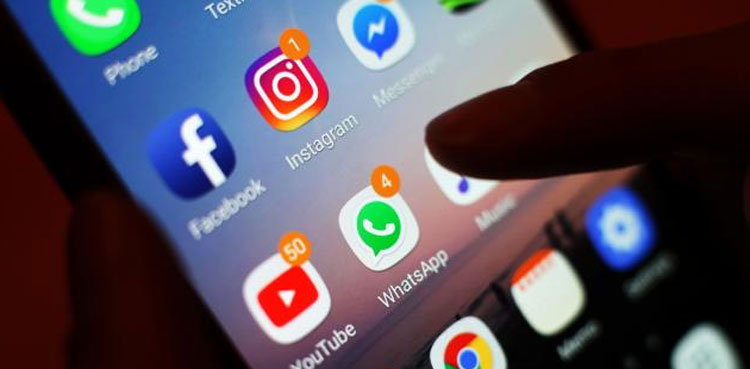
The law will also ban advertising for virtual private networks (VPNs), which many Russians rely on to bypass state restrictions. Platforms like YouTube, Facebook, and Instagram are already only accessible through VPNs, with Meta’s platforms officially banned as “extremist.”
A separate law, also taking effect in September, will allow entire online communities to be labeled extremist if even one member has been designated as such. This has already forced groups supporting political prisoners to shut down or restructure.
Despite the sweeping scope of the rules, experts believe enforcing them across Russia’s vast internet will be difficult. “The law will likely target individuals already in the authorities’ sights,” said the digital security expert. “In Russia, the severity of laws is often offset by the possibility they won’t be enforced uniformly.”
With the changes, Russia edges closer to Chinese-style digital surveillance — where every search, post, or click may carry risks.
Mutib Khalid is a skilled content writer and digital marketer with a knack for crafting compelling narratives and optimizing digital strategies. Excel in creating engaging content that drives results and enhances online presence. Passionate about blending creativity with data-driven approaches, Mutib Khalid helps brands connect with their audience and achieve their goals.