UN Summit Countries to Recognize Palestine

Several Countries to Recognize Palestinian State at UN Summit
Ahead of a United Nations summit co-chaired by Riyadh and Paris on September 22 in New York, several countries—including Australia, Belgium, Canada, France, and the United Kingdom—have announced plans to formally recognize a Palestinian state.
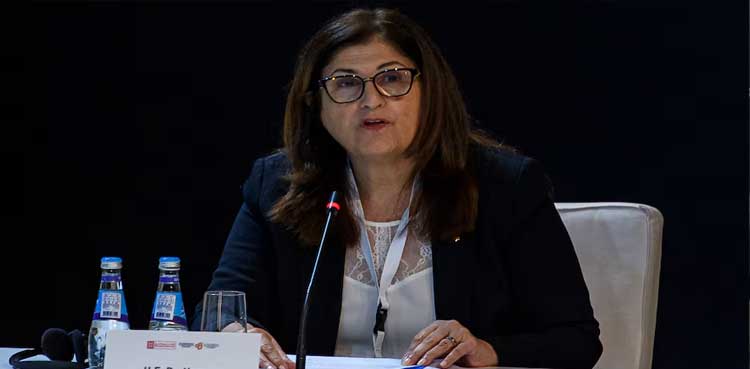
Shahin, expressing her “shock” at the European Union’s inaction over the nearly two-year conflict in Gaza, described this diplomatic push as the long-awaited fulfillment of promises made by the international community to the Palestinians.
Israeli Prime Minister Benjamin Netanyahu has firmly stated, “There will be no Palestinian state.” Last month, Israel approved a major settlement in the West Bank, a move that the international community has warned could threaten the viability of a future Palestinian state.
Recognition as a Step Toward Peace
When asked about the immediate impact of recognition, Shahin emphasized that the move will not instantly change conditions on the ground but is nonetheless crucial.
“People might ask, ‘What does recognition mean if the aggression in Gaza continues?’ Recognition is not just symbolic,” she said. “It sends a clear message to Israel about the impossibility of continuing occupation indefinitely and reassures Palestinians that the world supports their right to self-determination. Every recognition strengthens the two-state concept and builds momentum for the future.”
Shahin added that each country recognizing Palestine will have commitments tied to that recognition. “Every step counts. Recognition brings us closer to establishing a state, but we must also work toward a permanent ceasefire and other measures that give Palestinians hope for the future.”
Responding to Israeli Criticism
Israel has criticized international efforts to recognize Palestinian statehood. Shahin argued that the global community now sees Israel’s expansionist policies clearly.
“Israel is openly pursuing a ‘greater Israel,’ which infringes on the security, independence, and sovereignty of neighboring states,” she said. “Non-recognition only empowers extremists on both sides, who oppose a two-state solution.”
What If Israel Refuses to Negotiate?
Shahin was clear about Israel’s reluctance to negotiate. “If we wait for Israel to willingly negotiate, it will never happen. Since the peace process began, we’ve seen more land annexed, more settlement activity, and more violence. We are demanding our rights under international law, nothing more.”
She warned that Israel’s ongoing actions—erecting gates at village entrances, increasing violence—cannot continue unchecked. “Israel cannot act above the law. If it wants to live in peace, it must behave as a normal state.”
U.S. Opposition and Conditional Recognition
On concerns about U.S. opposition, Shahin said, “Eventually, the whole world will stand on one side, with Israel and a few allies on the other. Recognition is a game-changer, and we must move forward positively. We hope the United States will ultimately understand that the solution here is two states.”
Addressing conditions tied to recognition, such as a Gaza ceasefire or Hamas disarmament, she added, “There is a broad consensus in the Arab and Islamic world on disarming Hamas. Even Hamas has indicated it does not seek long-term governance in Gaza. If a permanent ceasefire is achieved, these conditions should not hinder progress.”
Mutib Khalid is a skilled content writer and digital marketer with a knack for crafting compelling narratives and optimizing digital strategies. Excel in creating engaging content that drives results and enhances online presence. Passionate about blending creativity with data-driven approaches, Mutib Khalid helps brands connect with their audience and achieve their goals.