Canada Cancels Digital Tax After Trump Pressure

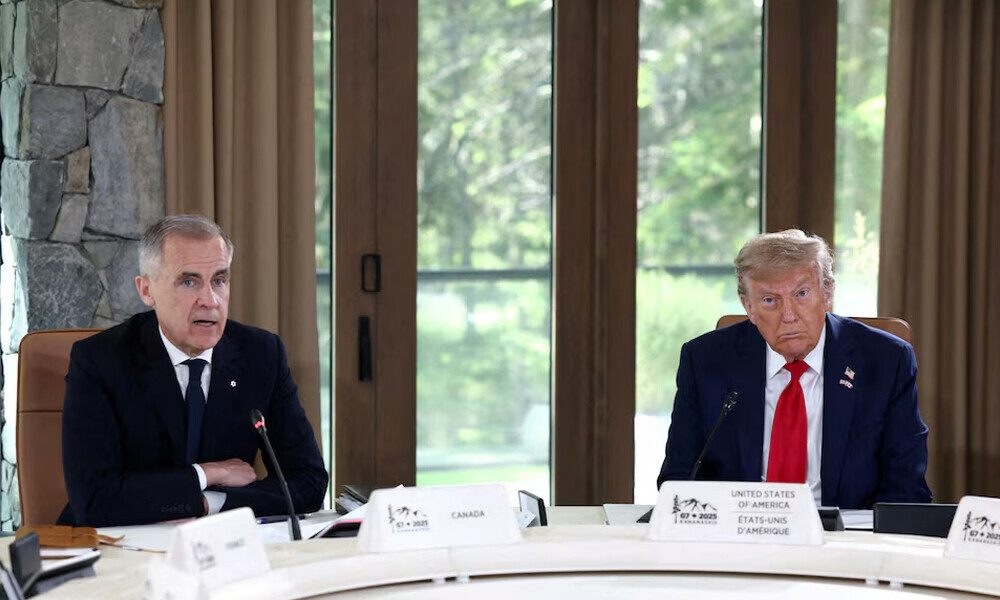
Canada Drops Digital Tax After Talks with Trump
Canada has decided not to start a new digital tax that was supposed to begin on Monday. The tax would have affected big American tech companies like Google, Apple, Amazon, and Meta. The decision came after U.S. President Donald Trump pressured Canada to cancel it.
What Happened?
White House press secretary Karoline Leavitt said Canadian Prime Minister Mark Carney called President Trump on Sunday to inform him that the tax would be dropped. She called it a big win for U.S. tech companies.
She added, “Canada gave in to Trump. He stood firm and made it clear that countries need good trade ties with the U.S. It was a bad move for Canada to try and tax our tech companies.”
Why Did Canada Back Down?
Trump had asked Canada to drop the tax during a G7 summit earlier in June. Canada agreed just hours before the tax was set to start.
The Canadian finance ministry said Carney and Trump will now restart trade talks, aiming to reach a deal by July 21.
Positive Market Reaction
U.S. stocks hit record highs on Monday morning. Investors felt hopeful because of progress in trade talks, especially with Canada.
New Tariffs Coming?
U.S. Treasury Secretary Scott Bessent said Trump may bring in new tariffs starting July 9, between 11% and 50% on goods from countries not negotiating fairly. He warned that even if a country is negotiating, it might not get more time unless Trump allows it.
Leavitt confirmed that Trump is meeting his trade team this week to decide new tariff rates for countries not cooperating.
Trade Tensions with Canada
Trump had ended trade talks with Canada on Friday, calling the digital tax a “blatant attack.” On Sunday, he again warned that he might add new tariffs on Canadian products, which could hurt relations.
Bessent added, “Some countries are negotiating honestly. But if they delay too much, tariffs might return to April 2 levels. Hopefully, that won’t happen.”
Details of the Cancelled Tax
The digital tax would have been 3% of the revenue earned from Canadian users by tech companies making over $20 million a year. It was to be applied retroactively from 2022.
Canada’s finance ministry said it will cancel the law that created the tax. Canadian Finance Minister François-Philippe Champagne will soon introduce a bill to officially remove it.
Mixed Reactions in Canada
Many Canadian business groups supported the move, saying the tax would have made things more expensive for consumers and hurt the economy. One group even thanked the U.S. for removing its own “revenge tax” against Canada.
But some criticized the decision. Prime Minister Carney’s party had promised during the elections to stand up to Trump. Now, some feel he backed down too easily.
Opposition leader Pierre Poilievre said Canada must demand something in return and defend its interests.
Canada–U.S. Trade Importance
Canada is the second-biggest U.S. trade partner after Mexico and buys more American goods than any other country. In 2024, Canada bought nearly $350 billion in U.S. products and sold about $413 billion to the U.S.
Even though Canada avoided Trump’s wide tariffs in April, it still faces high taxes on products like steel and aluminum.
Mutib Khalid is a skilled content writer and digital marketer with a knack for crafting compelling narratives and optimizing digital strategies. Excel in creating engaging content that drives results and enhances online presence. Passionate about blending creativity with data-driven approaches, Mutib Khalid helps brands connect with their audience and achieve their goals.