EU Indonesia Trade Deal Cuts Tariffs Boosts Investment

EU and Indonesia Seal Landmark Trade Deal to Boost Investment and Cut Tariffs
Bali, Indonesia – The European Union and Indonesia have signed a major trade agreement aimed at opening up investment in key sectors, including electric vehicles, electronics, and pharmaceuticals. The pact was signed in Bali by EU Trade Commissioner Maros Sefcovic and Indonesian Minister of Economic Affairs Airlangga Hartarto.
“By finalising this agreement, the EU and Indonesia are sending a powerful message to the world that we stand united in our commitment to open, rules-based, and mutually beneficial international trade,” Sefcovic said following the signing.
EU President Ursula von der Leyen highlighted the economic benefits for European businesses, saying, “EU exporters will save roughly 600 million euros ($708 million) a year in duties on goods entering the Indonesian market. European products will become more affordable and widely available to Indonesian consumers.”
A Deal Years in the Making
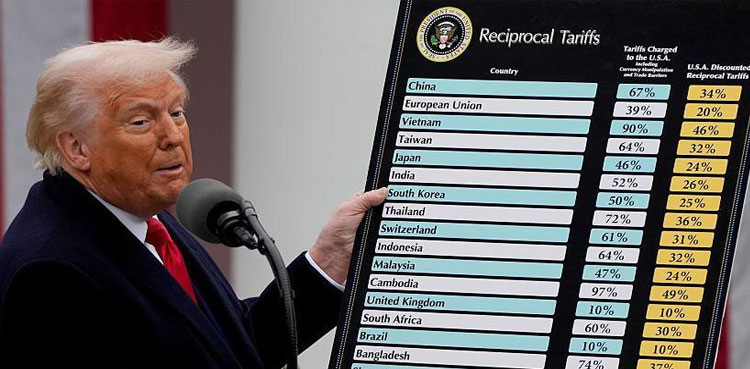
Negotiations between Indonesia and the EU began in 2016 but initially made slow progress. Contentious issues such as palm oil and deforestation created hurdles, analysts say. However, former US President Donald Trump’s sweeping tariff policies added urgency to finalizing the agreement.
“This deal was accelerated by the global tariff war,” said Deni Friawan, a researcher at the Centre for Strategic and International Studies. Indonesian Chief Economic Minister Airlangga Hartarto added that uncertainties caused by global protectionism pushed both sides to “seek certainty through a stable bilateral agreement.”
He described the pact as “a ten-year journey that has resulted in a milestone reflecting our commitment and the commitment of stakeholders to open, fair, and sustainable economic cooperation.” Airlangga noted that the deal would help mitigate risks stemming from the global tariff war.
Experts also see the timing as strategic. “Europe and Indonesia needed new opportunities—Europe wants access to emerging markets, and Indonesia needs alternatives amid global trade tensions,” said Bhima Yudhistira Adhinegara of the Center of Economic and Law Studies.
Once implemented, around 80 percent of Indonesian exports to the EU will be tariff-free, benefiting major sectors such as palm oil, footwear, textiles, and fisheries. Bilateral trade between the two sides reached $30.1 billion last year, with the EU ranking as Indonesia’s fifth-largest trading partner.
Balancing Trade with Environmental Concerns
The agreement comes amid tensions over environmental issues, particularly deforestation. The EU has proposed regulations banning imports of goods linked to deforestation, affecting key Indonesian exports like palm oil.
Airlangga said Sefcovic promised “special treatment” under the deforestation regulation for countries with trade agreements. The EU has postponed the rule’s full implementation until the end of the year following pushback from exporters.
Nevertheless, environmental groups warn that the deal could increase pressure on Indonesia’s forests. “Remaining natural forests in palm oil concessions could be cleared and converted into plantations,” said Syahrul Fitra of Greenpeace Indonesia.
Next Steps
After the signing, both sides will conduct legal reviews and translate the official documents. The deal will require ratification by EU member states, the European Parliament, and Indonesia. Airlangga expects implementation to begin by 2027.
Mutib Khalid is a skilled content writer and digital marketer with a knack for crafting compelling narratives and optimizing digital strategies. Excel in creating engaging content that drives results and enhances online presence. Passionate about blending creativity with data-driven approaches, Mutib Khalid helps brands connect with their audience and achieve their goals.