Israeli Media Shifts Amid Gaza Crisis and Hostage Drama

Israeli Media Shifts Tone as Gaza Humanitarian Crisis Deepens Amid Hostage Crisis
In late July, images of starving civilians in Gaza began to stir a wave of concern in parts of the Israeli media, prompting some journalists and public figures to call for stronger humanitarian aid. Yonit Levi, the lead news anchor on Channel 12, described the worsening crisis as a “moral failure” during a live broadcast. University leaders and the national Holocaust memorial also urged the government to help alleviate the suffering of Gazans.
For nearly two years since the war began, Israeli media coverage has largely focused on the trauma suffered by Israelis following Hamas’ deadly attack on October 7, 2023, which killed around 1,200 people and left 251 hostages. Most reports have centered on the hostages’ fate and the casualties among Israeli soldiers.
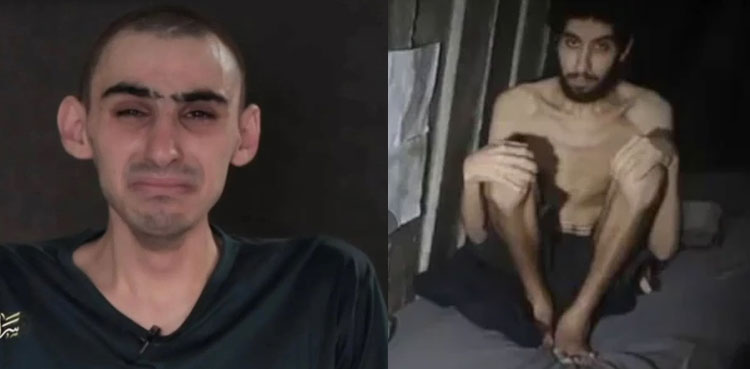
Some Israelis welcomed this shift in tone in July as a sign of growing awareness of the impact on Palestinian civilians. However, that mood hardened quickly after Hamas released videos showing two Israeli hostages in distress: 21-year-old Rom Braslavski, visibly emaciated and crying, and 24-year-old Evyatar David, who said he was being forced to dig his own grave.
These videos, which some Palestinians said aimed to highlight the suffering caused by restricted aid in Gaza, instead shut down much of the sympathy in Israel for Gazan civilians. International condemnation of Hamas intensified, and thousands of Israelis protested, demanding the immediate return of the remaining hostages—around 50 people, though only about 20 are believed to be alive.
Uri Dagon, deputy editor-in-chief of Israel’s top-selling newspaper Yisrael Hayom, acknowledged that with hostages held in Gaza, many Israelis find it impossible to empathize with Gazans’ suffering. “I know that sounds terrible, but it’s the truth,” he said. Dagon criticized foreign media for allegedly spreading falsehoods about starvation in Gaza, arguing that Hamas is to blame. He challenged international journalists for giving more attention to images of starving Gazans than to the harrowing hostage videos.
Public opinion in Israel is heavily influenced by distrust of Palestinian sources. Many Israelis doubt reports of a famine in Gaza, citing Hamas’s authoritarian control over the media there. Orit Maimon, a Tel Aviv lawyer, said, “I don’t think there is a famine in Gaza. The situation is not good, but it’s not famine.”
Yet Gaza’s health ministry reports that 222 people, including 101 children, have died from starvation and malnutrition since the conflict began. Right-wing Israeli media outlets have worked to question the credibility of some images and stories of starving children, including a controversy over a British newspaper’s photograph of a sick child with a pre-existing condition.
A recent poll by the Israel Democracy Institute found that 78% of Jewish Israelis believe Israel is making a serious effort to avoid Palestinian suffering, while only 15% think Israel could do more but chooses not to.
Reporting from Gaza remains dangerous. The Palestinian Journalists Syndicate says over 230 journalists have been killed by Israeli forces since November, although Israel denies targeting reporters and claims some are militants disguised as journalists. Last Sunday, Israeli forces killed Al Jazeera journalist Anas Al Sharif, accusing him of being a Hamas operative—a charge human rights groups reject.
More than 61,000 Palestinians have died during Israel’s military campaign, according to Gaza health officials.
Meanwhile, about 70% of Israelis want a deal to free the hostages, even if it means ending the war immediately. Several Israeli media outlets have criticized Prime Minister Benjamin Netanyahu’s government for failing to secure the hostages’ release or present a clear post-war plan for Gaza. The left-leaning paper Haaretz has been especially vocal, but Netanyahu’s cabinet has responded with a ban on officials speaking to Haaretz and stopped government ads in the paper, accusing it of siding with “enemies of the state.”
Netanyahu’s government has also proposed privatizing the public broadcaster Channel 11, which critics say could reduce independent media voices and impact coverage of government actions. Media experts warn these moves may discourage Israeli news outlets from showing content that displeases the government.
According to Asa Shapira, a media scholar at Tel Aviv University, while public concern has driven coverage of Israeli hostages, fear of government disapproval also influences editorial decisions.
Mutib Khalid is a skilled content writer and digital marketer with a knack for crafting compelling narratives and optimizing digital strategies. Excel in creating engaging content that drives results and enhances online presence. Passionate about blending creativity with data-driven approaches, Mutib Khalid helps brands connect with their audience and achieve their goals.